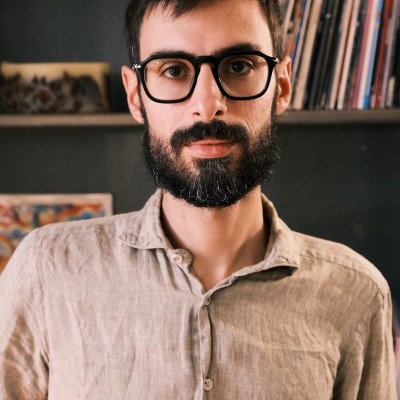
A conversation with Francesco Danesi della Sala about the origins of his research path and his anthropological gaze.
Francesco Danesi della Sala holds a PhD in Cultural and Social Anthropology, is the author of Nature ribelli. Viaggio nella metamorfosi climatica alle foci del Po and editorial director of Alea, an independent journal of anthropological practices. He works on environmental issues and the climate crisis, investigating climate change also as a social and cultural phenomenon. In his work, writing, photography, and field research intertwine as practices of observation and storytelling.
In 2021 you founded Alea, a journal of anthropology. How did the idea for this editorial project come about? What need did it emerge from, and what kind of contribution did you want to make to the anthropological debate?
I think I first murmured the word “Alea” in 2020, during the first lockdown. During that period I often spoke on the phone with my friend and colleague Pasquale Menditto, who had been stuck in Beirut while waiting for logistical solutions to return to Italy. In that moment, like so many others, we shared a sense of disorientation that we were unable to decipher. But above all, united by our anthropological background, we lamented the discipline’s inability to penetrate public debate. We felt the need for a decentered gaze — at times empathetic, at times sharp, even polemical when necessary — that could shape a different narrative of the present and its crises, of which Covid-19 was, in a sense, only an epiphenomenon.
Looking back, it was a temperamental impatience that of course concealed a certain partiality, perhaps even a kind of childishness. But, almost as a joke, I murmured that word, accompanied by a resolution: “Let’s make a journal ourselves.” Needless to say, we had absolutely no idea how one actually makes a journal, let alone how to deal with the challenges of an independent editorial project. Fortunately for us, we found ourselves sharing our reflections within a circle of friends and new acquaintances who immediately embraced the idea, without putting up any rational restraint, and instead nourished it with commitment and all sorts of eccentricities. Personally, it was also a moment when I rediscovered the ardor of doing, which for some time had somehow gone out: I began writing again and taking photographs, for instance. As for Alea, the line we initially pursued was oriented toward enhancing anthropological research through the experimentation of a less codified language, more open to experimentation and especially to interdisciplinary exchange. We produced six thematic volumes in Italian, which were very well received in Italy and, in terms of authorial collaborations, abroad as well. After a two-year pause, in 2025 we renewed the project and its editorial direction, moving to an annual bilingual Italian-English publication. The editorial approach, decidedly more mature, is no longer focused on anthropological research in and of itself, but instead uses the ethnographic perspective as a lens through which to interrogate the contemporary moment even more forcefully.
If you had to point to one or two anthropologists who, in your view, have renewed the discipline in a way you find illuminating and exemplary — who would you mention, and why?
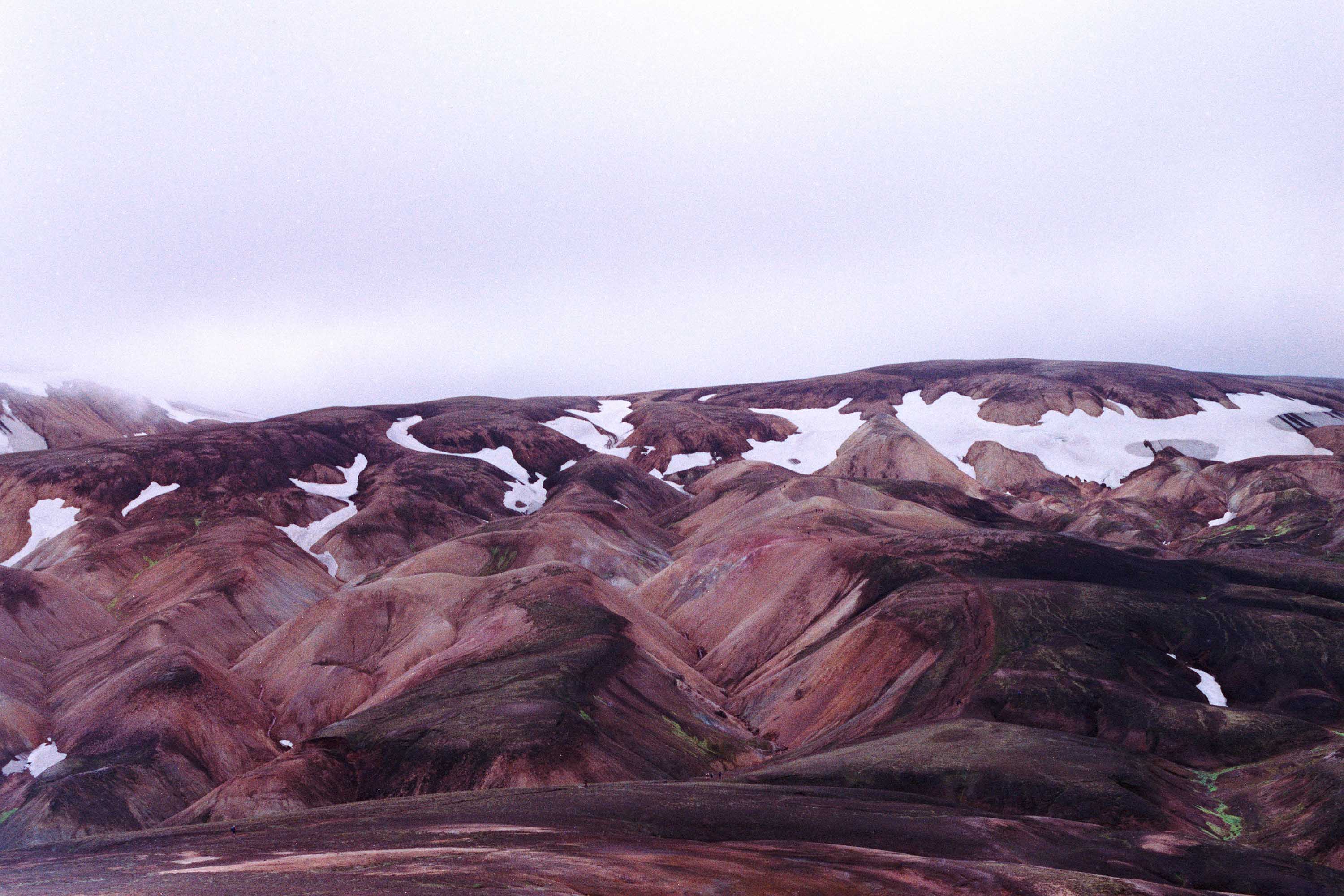
I have several names in mind, though, above all, they are personal points of reference. I think, for example, of James Clifford, who made explicit and open to exploration the link between ethnography and narration, the latter understood as a form of subjective, partial, even allegorical restitution. Or Tim Ingold, who charted a highly original speculative path in his work on the perceptual relationship between human beings and the environment, restoring to anthropology an autonomy of thought whose absence was felt at certain moments. And then Anna Tsing, who approached the question of the Anthropocene with a series of radical questions that today nourish much of the research on these themes. I must certainly also mention David Graeber, who passed away in September 2020. Alea dedicated a special issue to him in 2023, presenting in Italian a selection of essays that, in my opinion, convey his thinking and sensibility quite faithfully. I remember that, after a rather troubled production process, when the print shop finally notified us that printing had been completed, I was in Iceland. Graeber showed that he was able to move agilely between academia, public debate, and political activism, with an intellectual posture that was exquisitely anthropological and a rhetorical style somewhere between a troublemaker and an optimist — in this sense, he could rightly be defined as a trickster. His critique of capitalist orthodoxy never stopped at deconstruction, for example, but always sought to open up concrete questions, to be brought into the arena of conversation and collective confrontation, direct action, and the valorization of heterodox and anarchist thought. It was a peculiar, politically exposed position, certainly debatable, but sincere. He undoubtedly jolted a discipline that still suffers, even today, from a certain self-referential laziness.
Alongside anthropological research, photography plays an important role in your work. When did you start taking photographs, and how did this language become intertwined with your field research?
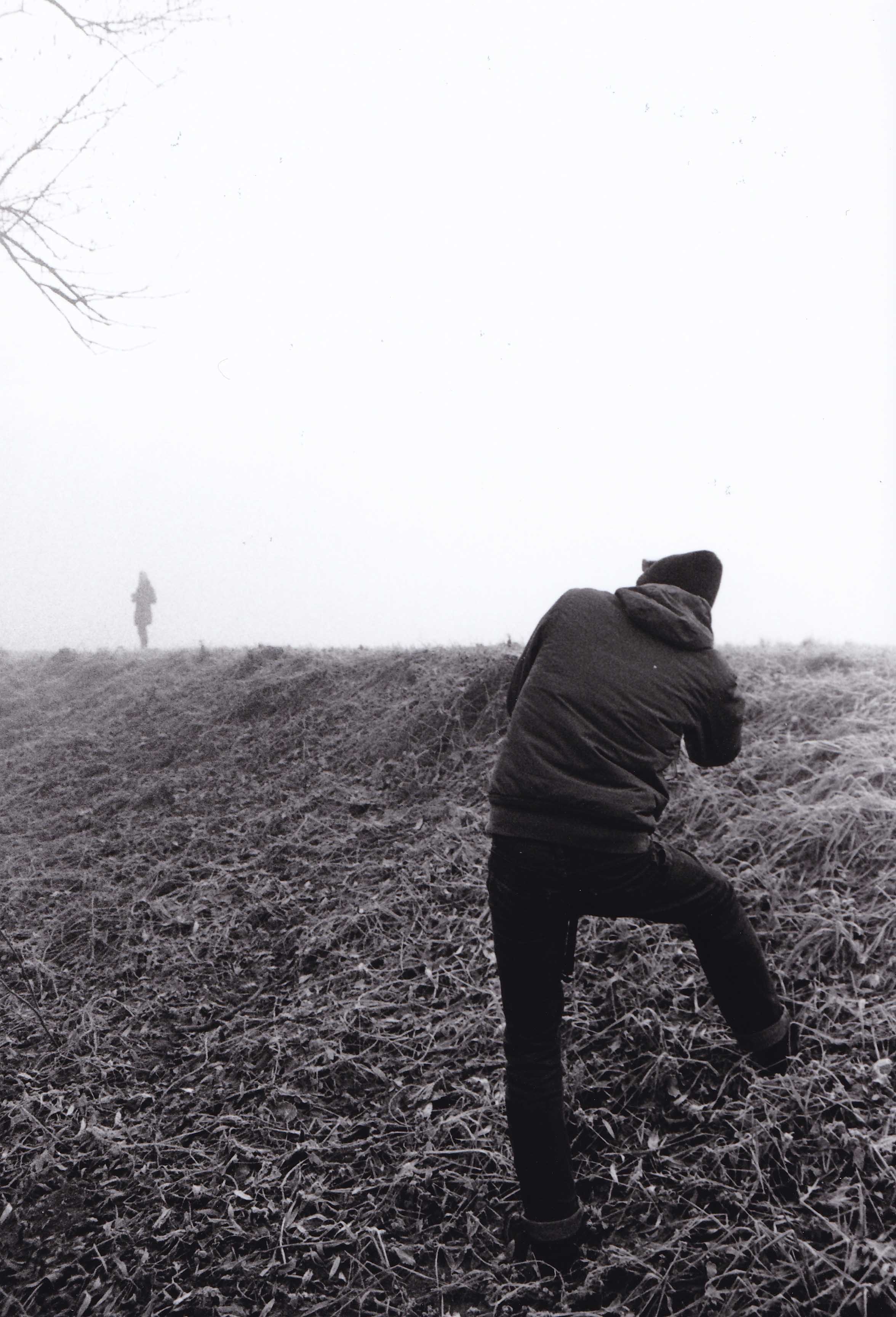
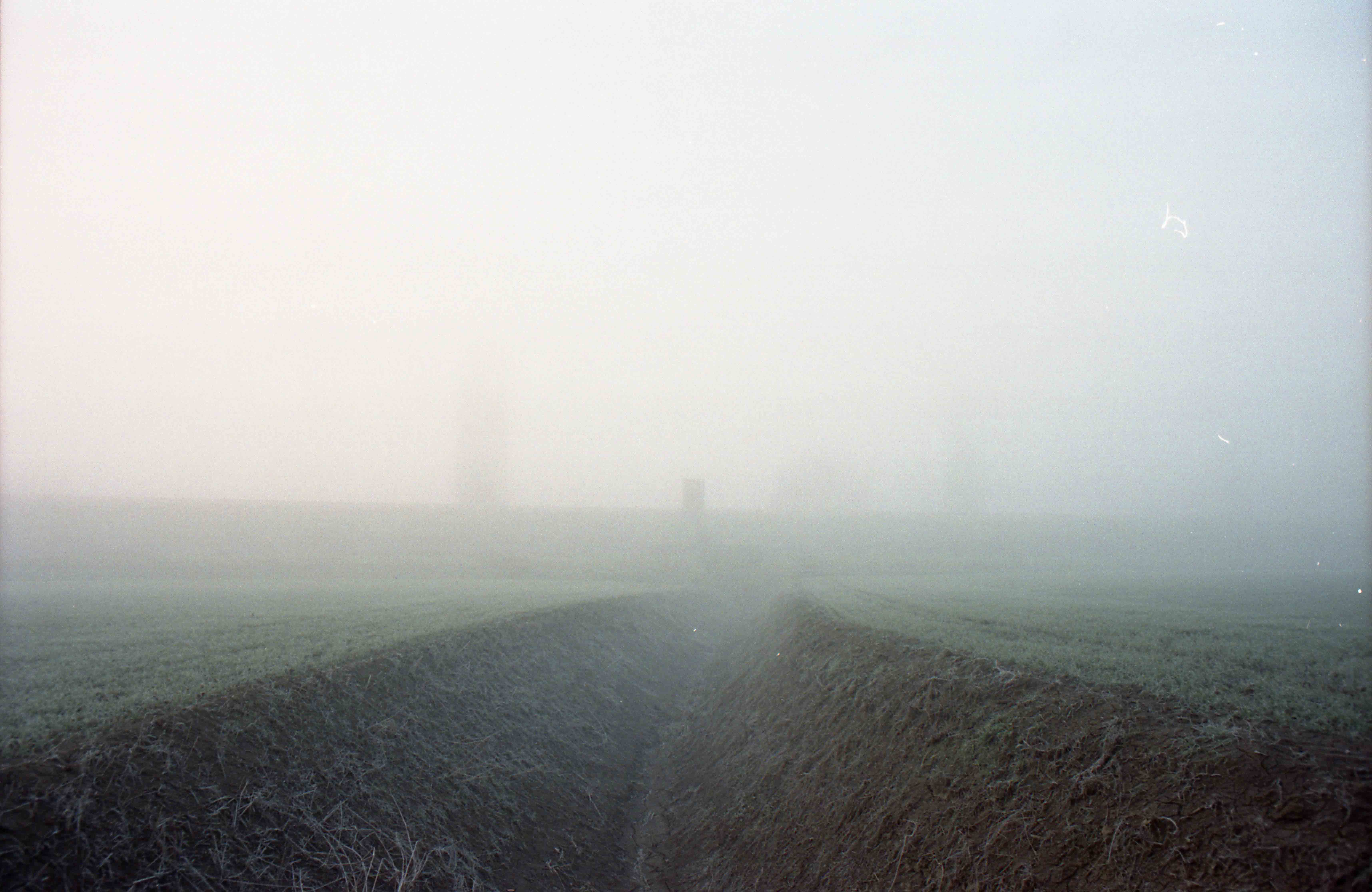
In 2015, I think, I bought my first analog camera, a 1990s Yashica FX3 that I found second-hand on eBay. A friend of mine, far more skilled and knowledgeable than I was, was rediscovering film photography, and I caught his enthusiasm as he talked about shutter speeds, ISO, apertures, and all the rest — not to mention the names of the film stocks, which alone were enough to open up other worlds: Portra, Superia, Velvia, Ilford. Around the same time, I was also beginning to get into road cycling: I had found an old Bianchi racing bike and started riding through the valleys around Bergamo, cultivating a slow gaze that made certain details of the landscape and everyday life much more vivid. Looking back, I think the conjunction of these two things inevitably led me to the photographs of Luigi Ghirri and the Italian school of landscape photography, which still represents an essential archetype for me. At the beginning, as often happens with fresh passions, it was all a game of unconscious imitation. Together with friends, we would set off on improvised photographic outings, in the spirit of Ghirri’s day trips, and wherever we went we would burn through roll after roll of film.
When I moved to Bologna for my master’s degree in Anthropology, I always had a camera in my hand — and alongside the Yashica came an Olympus XA, a pocket-sized fixed-lens 35mm, and a Nikon F90x, a tool far too serious and cumbersome. Much of my time in Bologna is impressed, more or less clearly, on an unspecified number of rolls of film that sooner or later I will finish digitizing. Then, for my thesis, I undertook field research in the earthquake zone of central Italy, particularly on the Marche side. That was the moment when I began photographing more consciously, trying to experiment with a dialogue — still very immature at the time — between textual thinking and visual thinking. From then on, research activity for me has always been mediated by the viewfinder of a lens and by a kind of ethnographic serendipity that I can only find through the photographic gaze. That said, I would say my level has remained mediocre: I am not a photographer, but rather a writer or researcher who tries to think in images as well.
Much of your photographic work is linked to the Goro lagoon. What kind of relationship has developed over time between your photographic gaze and this landscape?
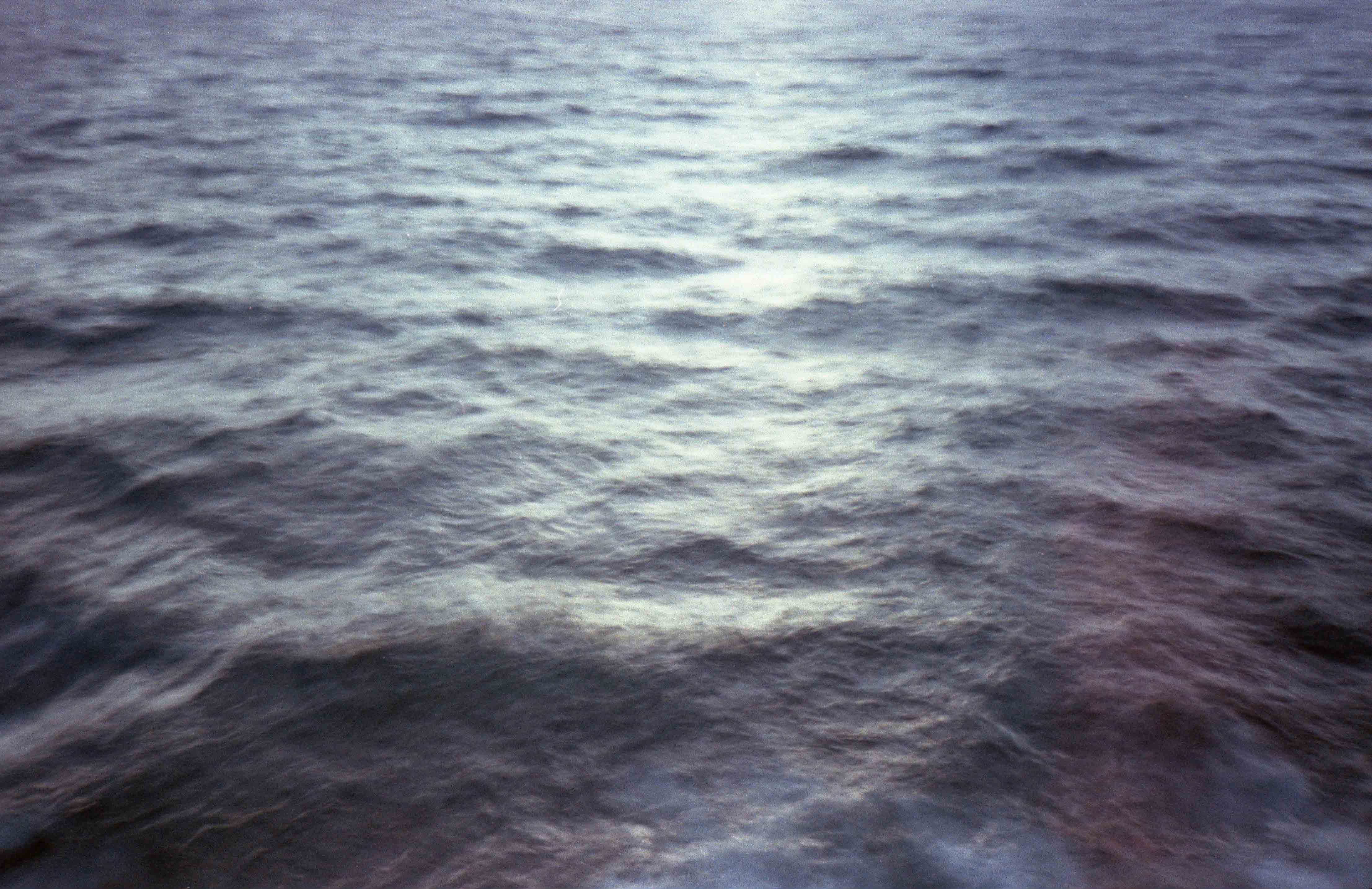
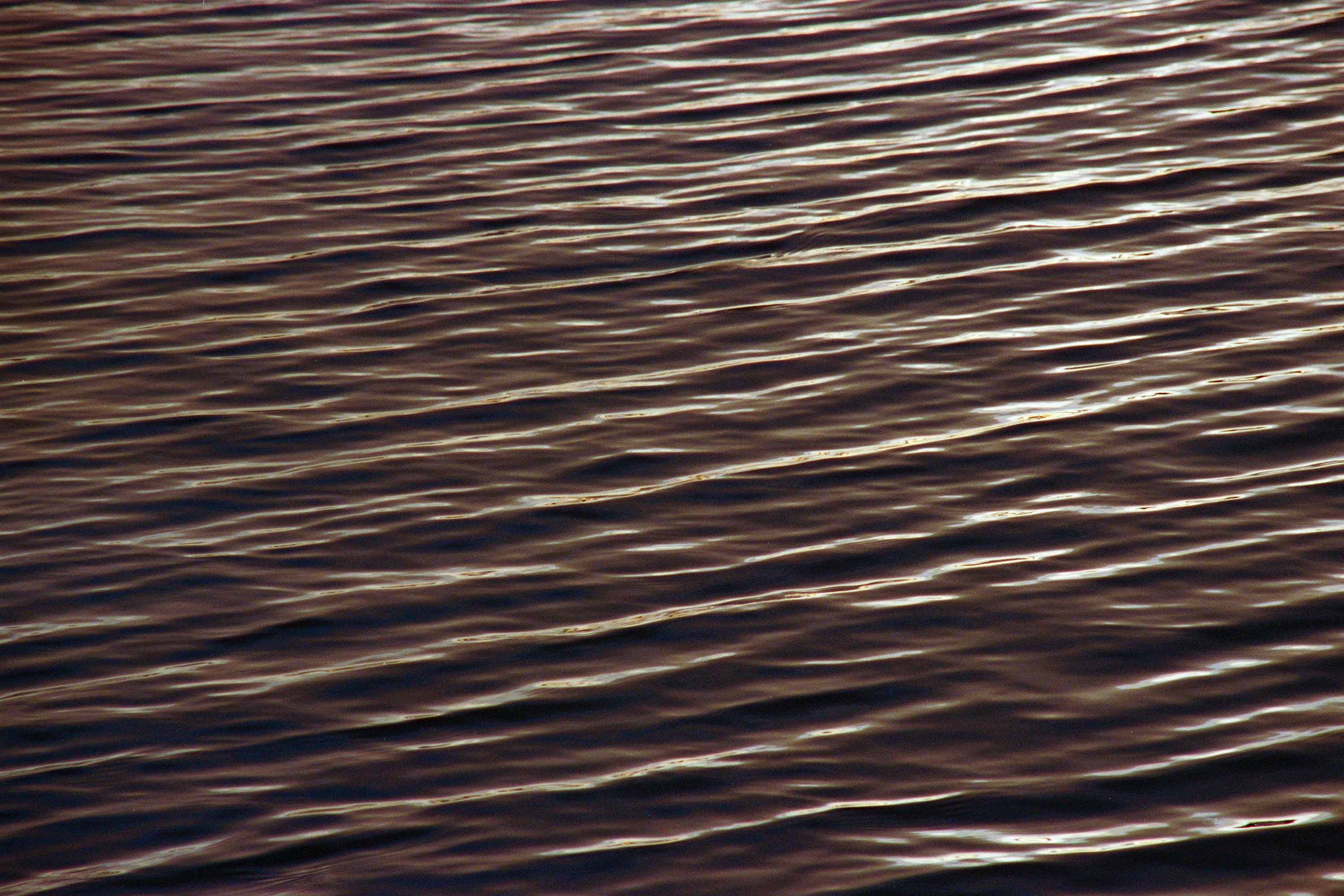
I don’t know whether it is the most appropriate expression, but I would define it as a relationship of recognition. I had pointed my finger toward the Sacca di Goro almost by chance on my first visit to the Delta, after cycling along the main embankment of the Po. My first memory is of the murky greenish color of its waters, the slight ripples caressed by the Scirocco wind, the blurred horizon where they met the salty waters of the Adriatic, which I wondered exactly where it began. I have always liked stopping to watch the movement of water, and the lagoon, in this respect, had something hypnotic and unfathomable about it, which I tried in various ways to capture.
Living it through the words and practices of the local community was then a unique privilege, both in finding a dimension of environmental intimacy with this landscape and in interrogating its human and non-human relationality, with all the critical implications this entails. In the images I have taken, I have always tried to bear witness to and recognize, precisely, a lagoon that is in every respect a living subject, with its own biography and its own polyphonic becoming, at times unpredictable or ineffable — poetic, in a word. And ultimately it is precisely on this point that my research work most insists: reaffirming the partiality of human exceptionalism and underscoring the imaginative limits to which a certain anthropocentric way of thinking leads us irredeemably.
In Nature ribelli there is also the figure of Luciano, a fisherman with whom you established a dialogue during your research. What kind of relationship developed with him, and how did photography accompany this encounter? Are there images that you feel are especially tied to his story?
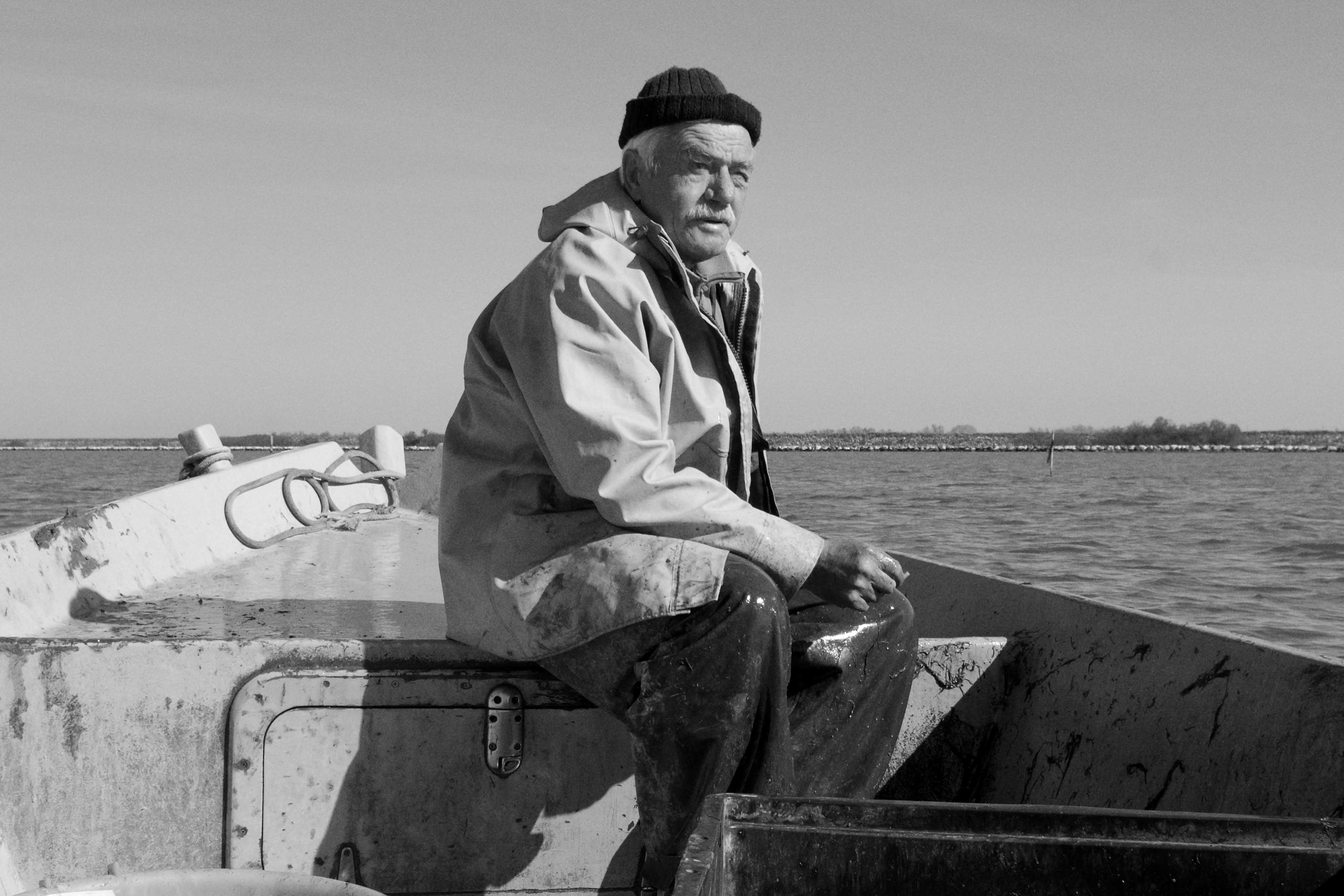
As in every field experience, the human relationships that are developed often go far beyond the exchange of information or the shared presence of observing and inhabiting a place. In Goro I had the opportunity to meet people to whom I am now bound by genuine affection and friendship. Some of them then played a fundamental role in sharing certain sensibilities, memories, and feelings through which the meaning of this place became ever more intimate and rich in nuance. Luciano — which is in fact a fictional name — belongs to this kind of person: a fisherman of the old guard, a man who, beneath an apparently rough and taciturn exterior, harbors a gentle soul, touched by nostalgia and by a certain idealism that has never gone out. Ours was a chance meeting, and it found extremely solid roots precisely in photography, of which he is a highly refined devotee. Often, in order to make me understand the particularities of Goro or the Delta, he would show me books by photographers and artists who had passed through the area — a narrative in images mixed with personal memories and anecdotes, which then became even more vivid when we traveled together through the topography, so to speak, of his past. One evening he showed me a photograph of his father hanging in the hallway of his house: a face marked by hardship, by work in the sea and in the lagoon, yet crossed by the sweetest and most serene smile. “This was my father, a fisherman,” Luciano told me. And in his eyes, beyond a hint of emotion, there was a profoundly deep pride, something so visceral that cannot be described in words.
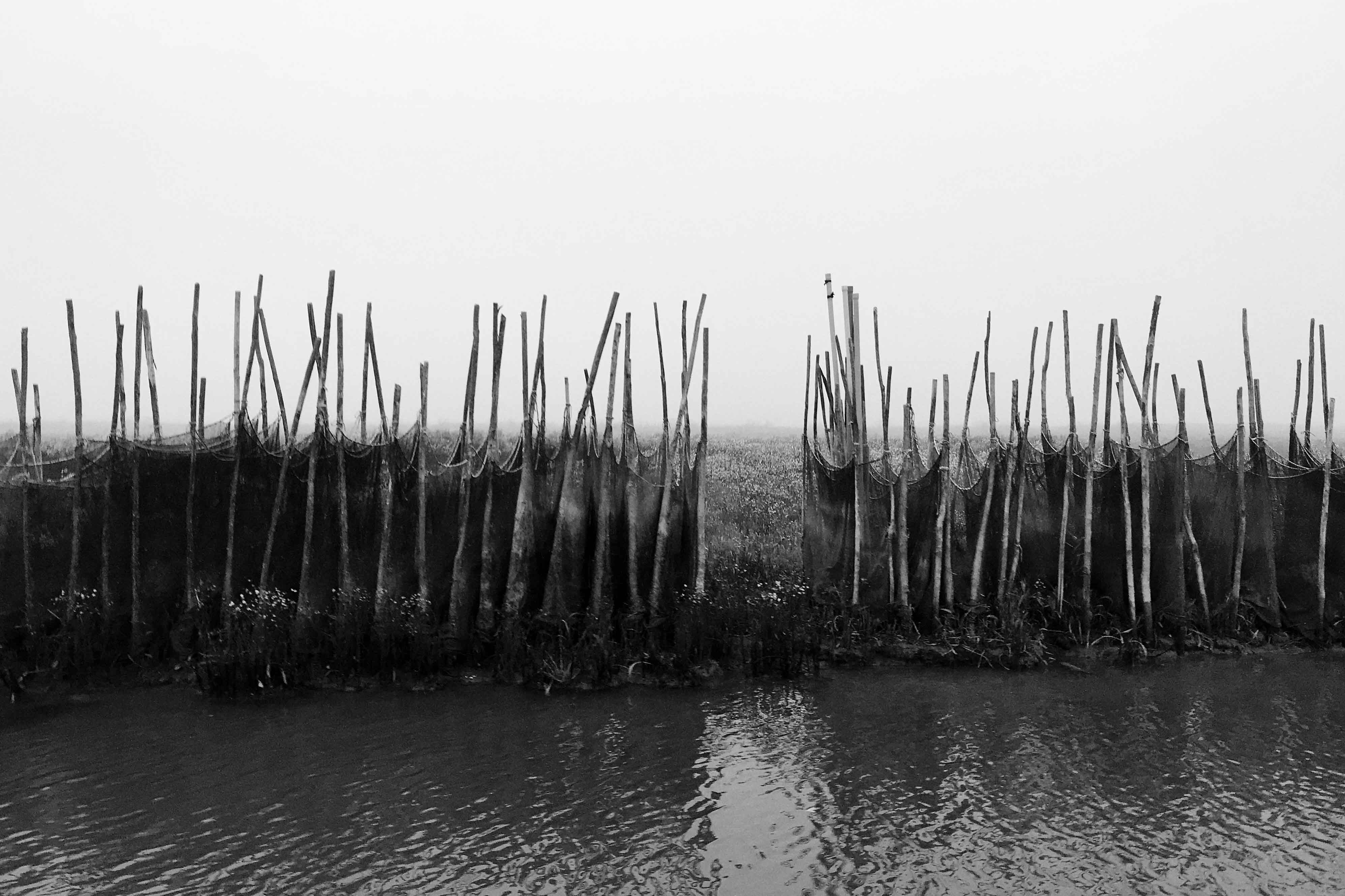
Tra le immagini che emergono dal tuo lavoro ci sono anche le reti da pesca: strumenti di lavoro, ma anche strutture visive e quasi architettoniche nel paesaggio della laguna. Che cosa ti affascina di questi oggetti e del loro rapporto con la pesca tradizionale?
La pesca in laguna con le reti costituisce un bagaglio culturale e tradizionale incredibile a Goro. Con la rivoluzione della vongola, questo mestiere è andato quasi perso, ma per mia fortuna ho potuto conoscere alcuni pescatori che ancora praticano questa tecnica di cattura, conservandone il saper-fare. La rete da posta è affascinante perché allude a un gioco di interazione e riconoscimento mai uguale a sé stesso, non ripetibile con la certezza matematica del risultato. È ecologia popolare applicata, un sapere che riconosce l’agentività del non umano, una scienza che metodologicamente richiede al pescatore di “pensare come un pesce” – per usare l’espressione di un vecchio pescatore goranto –, riconoscendone quindi la soggettività e la capacità immaginativa. Fare le reti, rammendare le reti, posare le reti, raccogliere le reti: ogni operazione cela una dimestichezza personale e generazionale che investe poi tutta la dimensione lagunare, dai fenomeni meteoclimatici e stagionali ai movimenti delle specie, fino al rapporto con le acque del fiume da una parte e quelle del mare dall’altra. E il tutto si risolve in una sfida che è preclusa alla vista: la rete è nascosta dalle quinte dello specchio acqueo. La tattica e l’attesa si giocano nell’invisibile, su un fondale che si trasforma in architettura volatile, cioè mutevole, modificabile, ricomponibile, eludibile. Un’architettura che, quando le reti sono depositate sui margini dei canali o a ridosso del canneto per asciugare, si fa anche segno estetico di un paesaggio ibrido, in cui è impossibile tracciare la soglia definitiva tra natura e cultura.
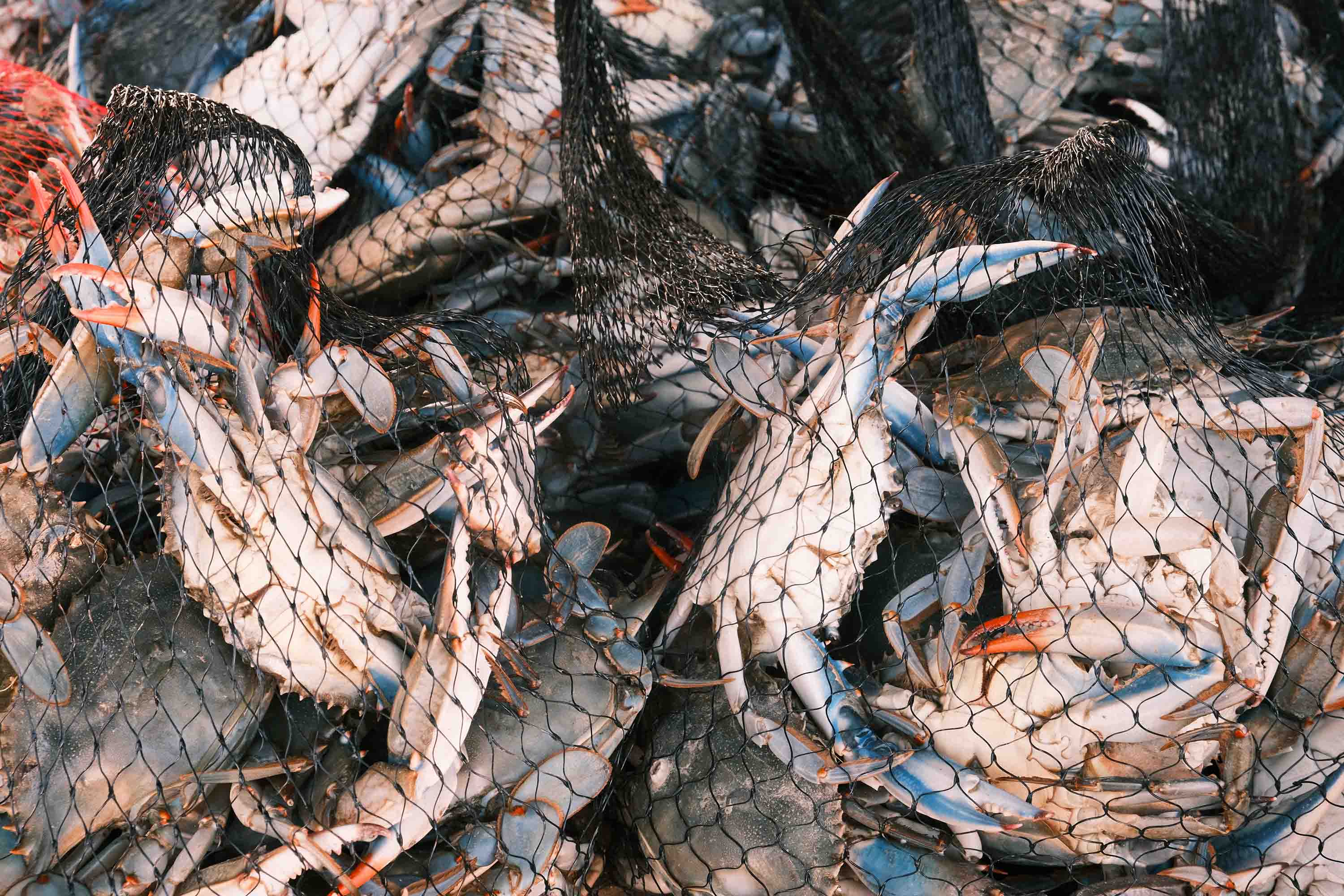
Nel libro racconti anche i tuoi primi sopralluoghi nella laguna di Goro nel 2021. Se dovessi confrontare la prima volta che sei arrivato lì con le visite più recenti, quali trasformazioni ti hanno colpito di più? E come si inserisce, in questo contesto, il processo che definisci di “tropicalizzazione” della laguna?
Direi che i cambiamenti più evidenti sono dati dalla crisi suscitata dalla presenza del granchio blu dell’Atlantico, deflagrata in maniera eclatante nel 2023. Al mio arrivo nel 2021, la Sacca rifletteva l’assetto colturale e industriale imposto dall’allevamento della vongola, laddove lo spazio lagunare era letteralmente concepito come una rigida infrastruttura reticolare, disegnata dalle geometrie delle concessioni demaniali – gli orti, in gergo locale – assegnate a ciascuna cooperativa per la “coltivazione” della vongola filippina. Oggi, questo assetto è sostanzialmente collassato e attesta in modo anche drammatico gli effetti del surriscaldamento globale e delle sue dinamiche, che attraversano scale decisamente più che locali. La tropicalizzazione degli ecosistemi del Mediterraneo sta innescando brusche riconfigurazioni biogeografiche, con migrazioni e proliferazioni di specie alloctone – non uso il termine “invasivo” per scelta – che evidentemente hanno impatti significativi sui nostri ecosistemi. Ciò che mi ha colpito maggiormente è l’ambivalenza con cui questa metamorfosi dagli esiti imprevedibili viene interpretata o negoziata localmente: da una parte c’è un irrigidimento culturale molto forte, che vorrebbe il ripristino a tutti i costi dell’industria della vongola, possibilmente con una soluzione tecno-scientifica che oggi appare implausibile; dall’altra, sta lentamente maturando la consapevolezza che l’impostazione monocolturale ed estrattiva è direttamente collegata alla crisi, nei termini in cui espone le vulnerabilità intrinseche di certi modelli di sfruttamento ambientale. E il paesaggio della laguna muta con questa ambivalenza: da una parte grandi recinzioni metalliche per proteggere gli allevamenti di vongole, dall’altra un incerto ritorno a una varietà di tecniche di pesca che erano state quasi dimenticate.
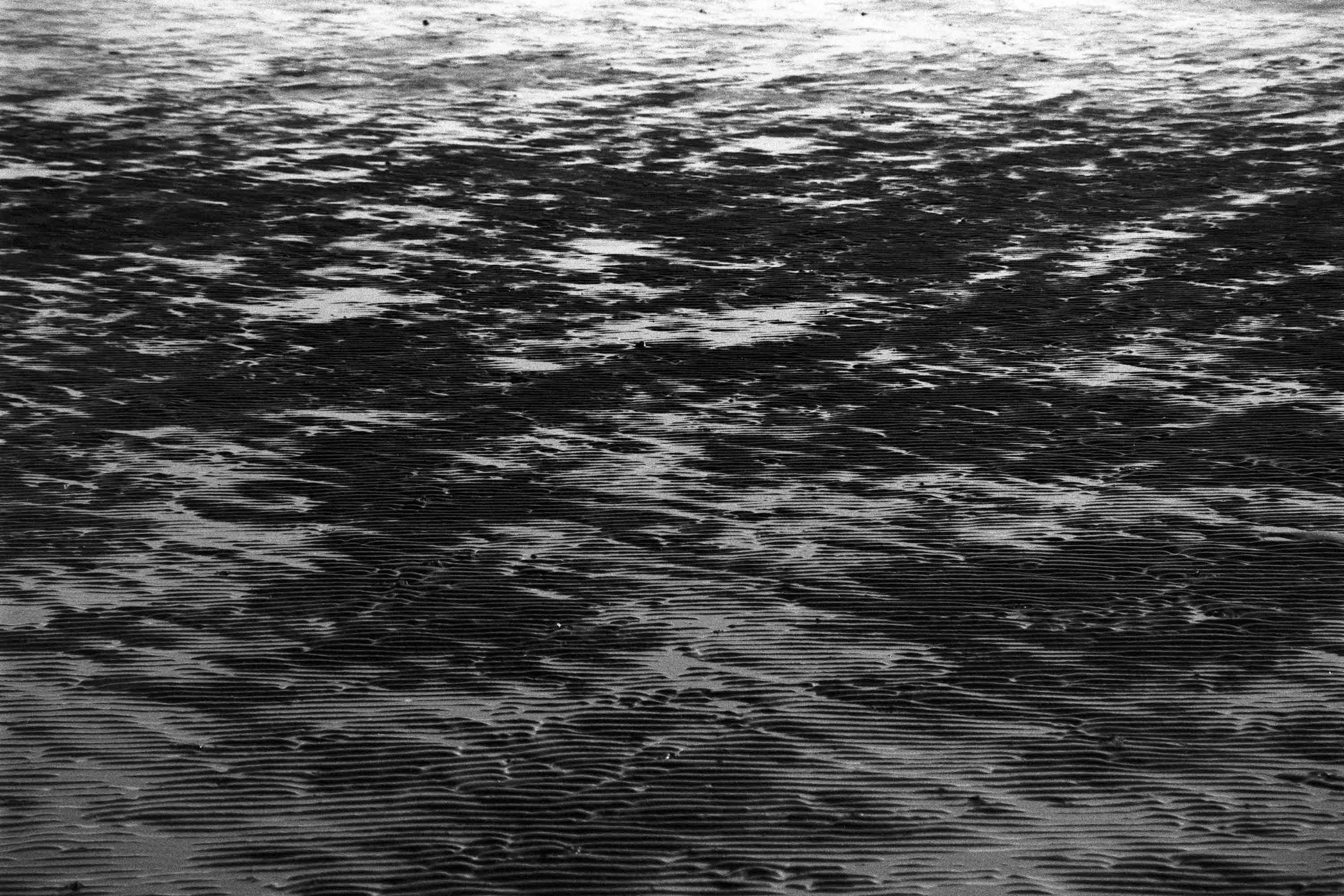
After the years of research that flowed into Nature ribelli, what are the strongest traces this work has left in you — on a human, scientific, or even personal level?
Ethnographic research seems never really to end and, in truth, often exceeds the natural conclusion of the academic or institutional paths within which it is situated. In this sense, while Nature ribelli certainly represents the closing of a chapter of scientific work, the ties that have been formed with this territory, with its places and its human and non-human stories, inevitably belong to the personal and biographical sphere as well. There is a kind of inexplicable tension that continually draws me back to that space and to all that I would still like to know and perhaps, in the future, continue to tell, probably in forms different from those of academic inquiry. The journey to the mouths of the Po, within the framework of my doctoral research, was enormously important to me — something I only realize fully in hindsight, with the clarity given by later and more recent circumstances, such as becoming a father. Alongside the scientific interests that stimulated me from the beginning, I must acknowledge that the experience of elsewhere in the Delta was formative for me in every respect, a sort of ethnographic pedagogy that helped me develop sensibilities and ideas I felt compelled to give shape to. Today I simply try to take care of this inheritance in the most appropriate ways, cultivating its relationships and meanings.
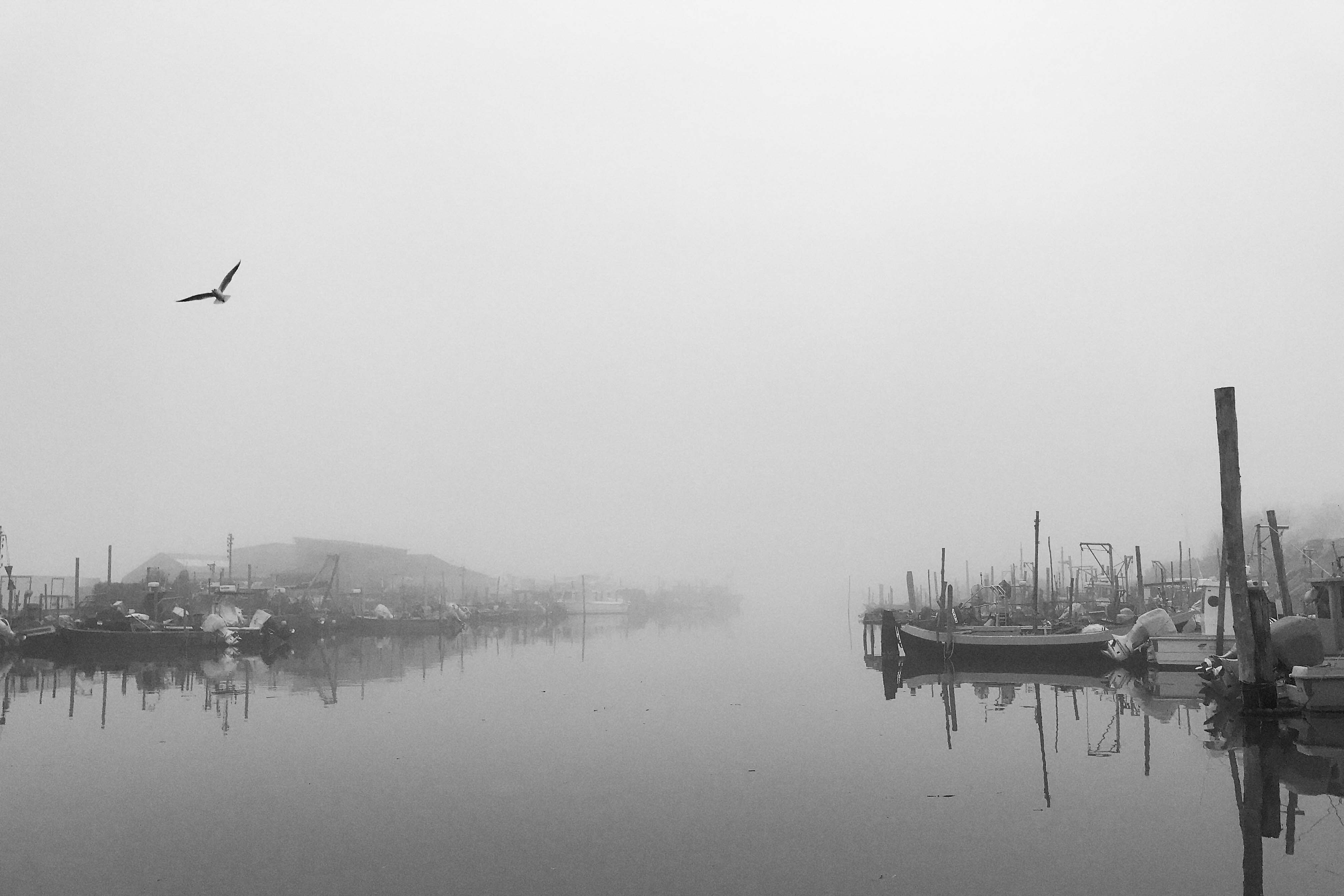
How did you first arrive in the lagoon of the Ferrara Delta? Can you tell us about the beginning of this investigation and the moment when you realized that this territory would become central to your research?
I arrived in the Po Delta as a complete outsider — a foresto, as they would say there — that is, as a foreigner, unaware of many local aspects and peculiarities that I would only discover later. My doctoral research, in fact, was supposed to take me to the mouths of another river, the Mekong, in Vietnam. The pandemic, however, made the journey impossible, so a last-minute replanning became necessary. I admit that, at first, all of this was almost demoralizing. But I must thank my advisor, Professor Mauro Van Aken, for encouraging me to turn the unexpected into a fertile and generative opportunity. For some time I had already been looking at the Po Valley and its delta with curiosity and fascination — a gaze shared with some friends during those early years of photographic play, which had not by chance led us along the banks of the great river in the lowlands. All that remained, then, was to follow the course of things: I took my bicycle and, after reaching Mantua by train, rode the entire main embankment all the way to the mouth, deciding quite randomly — by pointing at the map — on my final destination: the Sacca di Goro. The lack of “scientific” preparation about the context was paradoxically fruitful: from that very first preliminary visit in September 2021, I found myself wearing a highly useful disorientation, with which I began to question everything that caught my attention, free from the project-oriented habitus with which the researcher often arrives believing they already have the right questions in their pocket.
In any case, beyond a lagoon landscape that was alive and restless, alluding to a history and a becoming that were anything but banal, it was the people I met who convinced me of the value of this unforeseen turn. In the Sacca di Goro, in its overturning microhistory and in its present eco-cultural crisis, I believe one can read the full complexity of the phenomena crossing the contemporary world, both in terms of the fragilities of human models and of the difficulty of imagining oneself in an alternative future. Whatever my work in Nature ribelli does or does not succeed in conveying, this kind of reading is an excellent prerogative of anthropology, a discipline that in recent times is undergoing a truly surprising renewal.